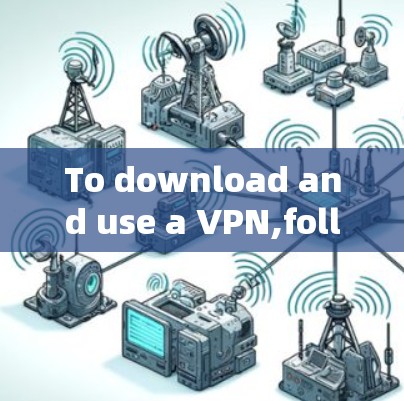

Understanding What a VPN Is
- A VPN is a service that connects you to the internet through a virtual server, encrypting your data to ensure it's secure.
- It's great for connecting without managing personal devices or sharing passwords.
Downloading a VPN Client
- Browser Extensions: Download from trusted websites like 123VPN or OpenVPN. These are user-friendly and easy to install.
- Client Software: Install software like VPN Client from apps like VPNBits or 123Dverts. This is more technical and may require some setup.
Choosing a VPN
- Types of VPNs: Consider standard VPNs for general use, or specialized ones for streaming or live content. Explore different encryption methods like AES for security.
- Costs: Compare subscription vs. one-time fees. Use free options like 123Dverts if they meet your needs.
Using the VPN
- Browser Extensions: Connect to the VPN via a link, ensuring it's secure and not a phishing link.
- Client Software: Use the VPN client to access your devices, ensuring it's set up correctly for your needs.
Troubleshooting
- Check connection speeds and ensure the VPN is secure.
- Use guides or forums to troubleshoot common issues.
Exploring Features
- Speed: Opt for fast VPNs for uninterrupted internet access.
- Privacy: Ensure strong passwords and use features like live streaming.
Community and Support
- Engage with forums or communities for support and tips. Knowing others who've used VPNs can be a big help.
Considerations
- Cost: Balance between paid and free options based on your needs.
- Speed: Opt for VPNs with good connection speeds.
- Types: Choose based on your use case—streaming, live, or general access.
Testing and Learning
- Start with free options and compare performance before investing in paid services.
By following these steps, you can effectively download and use a VPN to connect to the internet securely and efficiently.